
Greece tours give every traveler a simple, friendly way to enjoy the country. Couples, families, friends, solo travelers and first-time visitors all find a trip that fits their pace. Every trip mixes famous sights, easy planning and real comfort.
The sights, the kinds of tours and the comforts that come with them make the choice easy. My Greece Tours helps every visitor see what fits best, from busy Athens streets to quiet island coves and sunny beaches.
What Are The Best Greece Tours In Athens?
The best tours in Athens pair the Acropolis with a skilled guide. They add the old streets and a cruise to the sea temple. For more ideas, browse Greece tours and Tours In Greece for every taste and pace.
What draws travelers to Athens?
The Acropolis rises over the city with the Parthenon and the Erechtheion, whose porch is held up by stone maidens. The Acropolis Museum nearby shows the statues and carvings found on the sacred rock, in bright halls facing the hill.
Below, the Ancient Agora was the old marketplace, and the Temple of Olympian Zeus has giant columns. Plaka and Monastiraki buzz with cafes and busy shops. Lycabettus Hill gives a wide view, and Cape Sounion holds the Temple of Poseidon.
What kind of Greece tours reach Athens?
Private tours with a driver-guide or skipper are priced per booking, so couples, families and friends share the cost. They suit travelers who want their own pace. Boat cruises with swim stops suit those who love the sea.
Guided walking tours give first-time visitors the story behind the stones. Cooking classes and wine tastings suit curious solo travelers who like to meet people over a shared table. Couples enjoy them as a relaxed and tasty evening.
Which comforts are part of Greece tours in Athens?
Lunch or a BBQ meal keeps the day easy, so nobody hunts for a table in the heat. Drinks are served too, and some tours offer unlimited ones, which families and friends enjoy. Everyone stays fed and happy.
A licensed or local guide explains each site and answers every question. Wine tastings and swim stops add relaxed breaks that turn a busy day into a real holiday. This matters most for first-time visitors, who ask many questions.
What should you remember in Athens?
Visit the Acropolis early, when the stone is cool and the paths are calm. Bring water, sunscreen, a hat and shoes with a good grip, because the marble is slippery. Late light is softer for photos.
Read this guide to the best time to visit Athens before choosing dates. Pack a swimsuit and a towel for the swim stops.
How Can You Get More From Greece Tours In The Cyclades?
Match your tour to your mood in the Cyclades. Pick a cruise for sea lovers, a guided visit for history fans or a private boat for a slow day. Greece tours turn a busy ferry map into calm days.
What draws travelers to the Cyclades?
Santorini draws crowds to its cliff villages, where bright white houses sit above a deep volcanic bay. Mykonos is known for the windmills on its hill. Tiny Delos is a sacred island sanctuary full of ancient ruins and fine mosaics.
Milos hides sea caves in pale rock, and boats reach them in calm water. Naxos has a lively old town under its hilltop castle. Paros charms visitors with the lovely harbour of Naoussa, full of fishing boats and seaside tables.
What kind of Greece tours reach the Cyclades?
Private tours with a driver-guide or skipper are priced per booking. That suits couples, families and friends who want an unhurried day. Boat cruises with swim stops fit anyone who loves open water, from teens to grandparents.
Full-day trips from Athens by coach help travelers based in the capital reach the ports without stress. Snorkel and beginner scuba trips thrill active visitors, while cooking classes and wine tastings suit food lovers and couples seeking calm evenings.
Which comforts are part of Greece tours in the Cyclades?
Lunch or a BBQ meal on deck keeps energy high between swims. Drinks are served on board, and some tours offer unlimited ones, a real treat on a hot day. Hungry swimmers return to a full table.
A licensed or local guide shares island stories. Snorkel gear lets beginners explore the sea, and free time to explore leaves room for a stroll or a coffee. Wine tastings and swim stops complete the day with a smile.
What should you remember in the Cyclades?
Choose morning departures, when the sea is calm and the light is soft. Bring sun cream, a hat, a towel and a light jacket for the boat deck. Wear shoes with soft soles for wet decks.
Plan a longer stay with this guide to Greek island hopping, and keep a spare day, because strong summer winds delay boats.
How Do Visitors Enjoy Greece Tours In The Classical Sites?
Visitors enjoy the classical sites best with a guide and a clear route. Start early and leave time to stand still and look at the ruins. Greece tours turn old stones into stories that every visitor follows with ease.
What draws travelers to the classical sites?
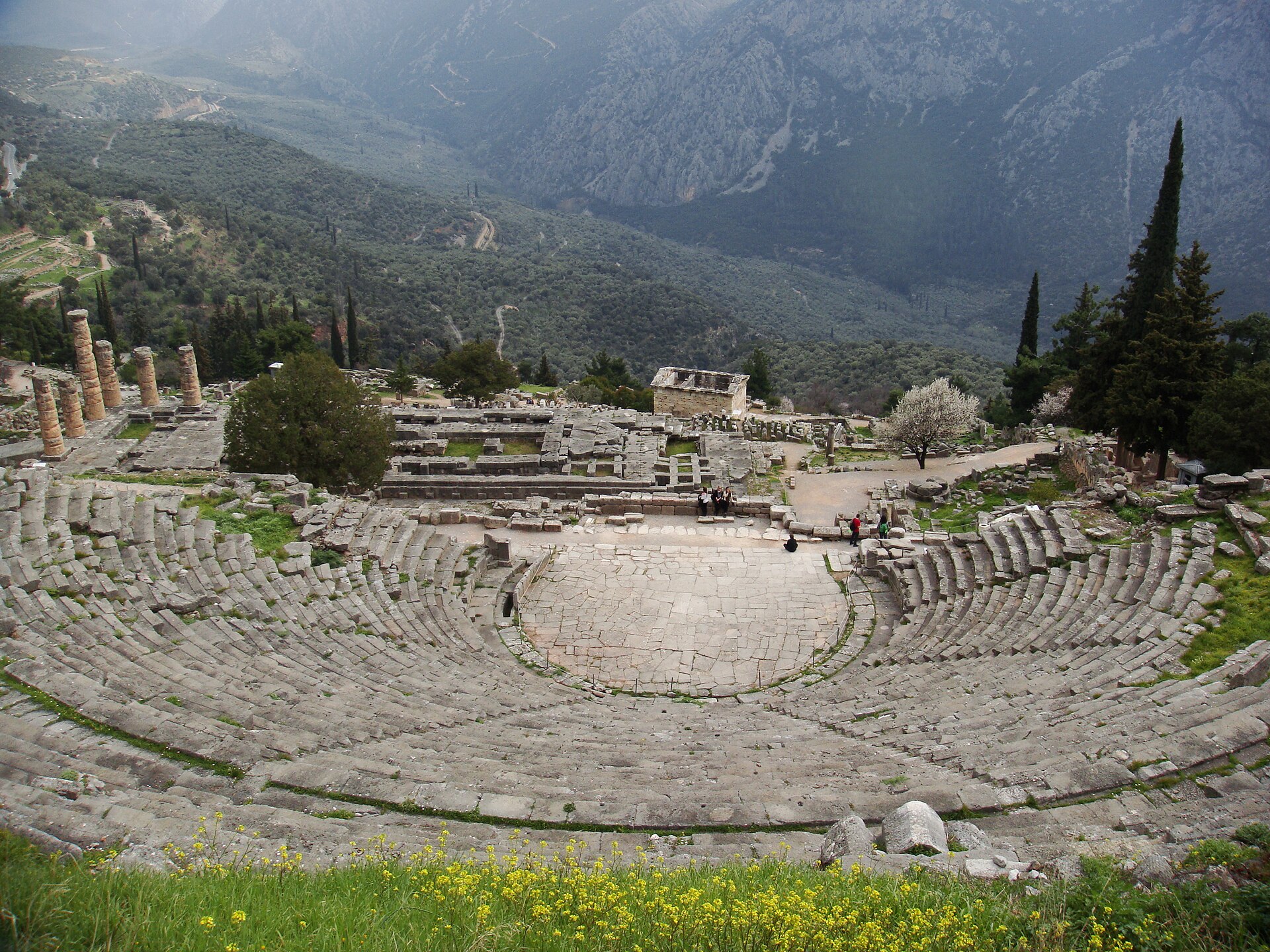
Delphi was the sanctuary of the oracle, where ancient Greeks traveled to ask the gods for advice. The cliff-top monasteries of Meteora crown tall, steep rock pillars. The citadel of Mycenae guards its famous Lion Gate and thick stone walls.
Epidaurus has a theatre with perfect sound, and Nafplio is a charming harbour town with a sea fortress. Ancient Olympia is the proud birthplace of the Olympic Games, and the canal at Corinth cuts straight through the high rock cliffs.
What kind of Greece tours reach the classical sites?
Small guided tours keep a friendly feel and suit couples and solo travelers who like to ask questions. Full-day trips from Athens by coach reach Delphi, Epidaurus and Mycenae with no driving stress. Families enjoy the easy pace.
Guided walking tours suit curious first-time visitors who love a good story. Entry tickets suit travelers who prefer to explore at their own pace. Multi-day tours with hotel nights give families and friends time for the farther sites.
Which comforts are part of Greece tours in the classical sites?
A licensed or local guide brings the myths to life and explains what each ruin once did. That support matters most for first-time visitors, who see rocks and columns without knowing the story. Questions are always welcome.
Entry tickets in the package save time at busy gates and keep the plan simple. Hotel nights on multi-day trips remove the stress of finding rooms and long drives each evening. Everyone arrives rested for the next site.
What should you remember in the classical sites?
Start early, because summer heat builds fast on open hillsides and the marble gets hot. Wear sturdy shoes, a hat and sun cream, and carry water. Rest in the shade at noon.
Pack a light layer for cool mornings, and charge your phone for photos. Choose a small bag, because large bags slow the line at busy gates.
How Should You Plan Greece Tours In Crete And Beyond?
Plan Crete and the farther islands around a few key sights and a sea day. Add a guide who knows each place well and a boat for the coast. A good plan gives Greece tours a calm, easy shape.
What draws travelers to Crete and beyond?
Crete has the palace of Knossos, the famous home of the labyrinth legend, and the old harbour of Chania with its lighthouse. The lagoons of Balos and Elafonisi glow in bright shades of turquoise, and Elafonisi has soft pink sand.
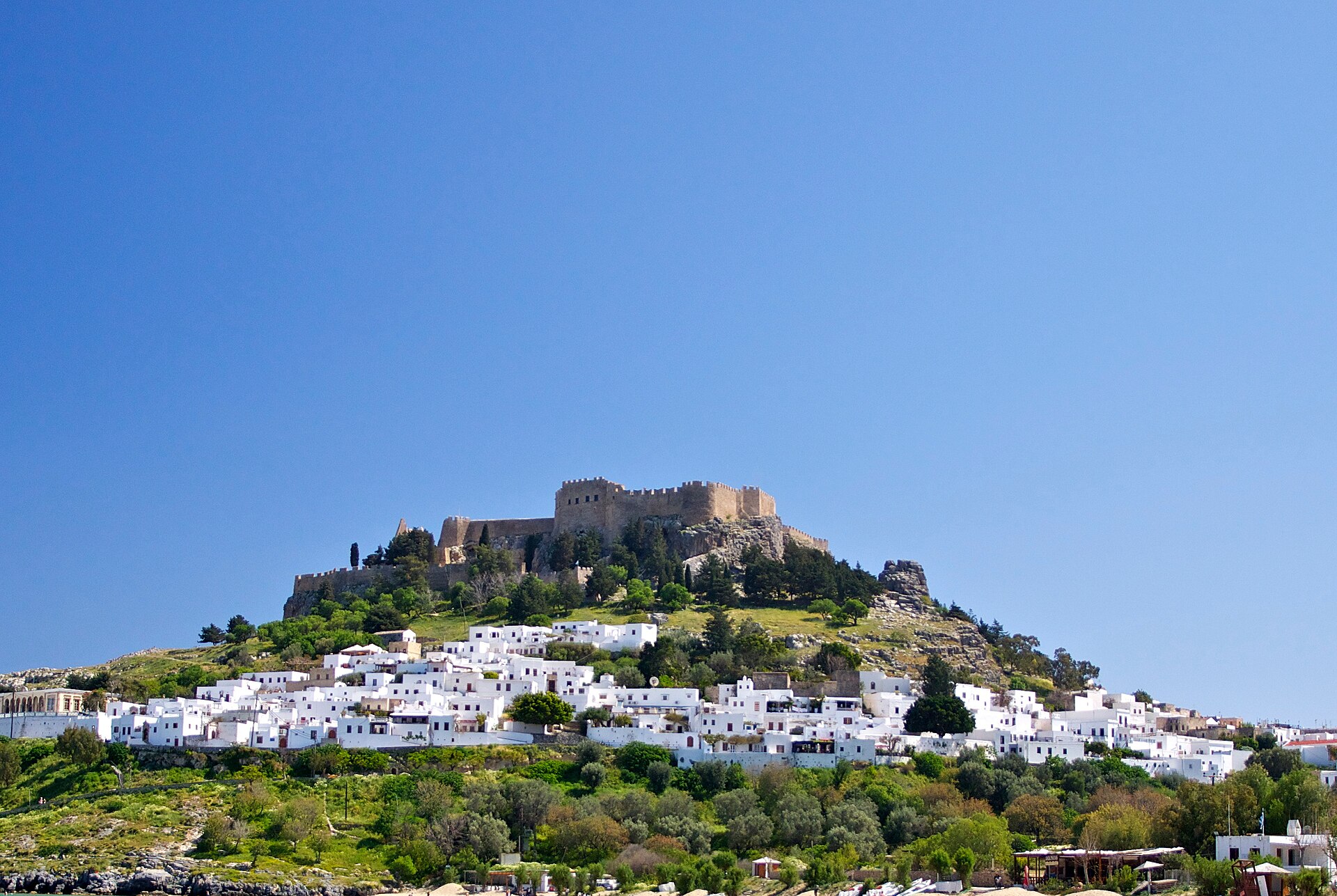
Rhodes offers a walled Old Town built by knights, and Lindos is a white village under a hilltop fortress. Corfu has an elegant old town of arcades and squares, and Navagio on Zakynthos is a wreck beach in a cove.
What kind of Greece tours reach Crete and beyond?
Private tours with a driver-guide or skipper are priced per booking and suit families, couples and friends who want a custom plan. Boat cruises with swim stops reach the lagoons and hidden coves, which delights swimmers of every age.
Guided walking tours open the old towns, and entry tickets let independent travelers explore at their own pace. Full-day trips from Athens by coach suit visitors based in the capital, while cooking classes and wine tastings reward food lovers.
Which comforts are part of Greece tours in Crete and beyond?
Lunch or a BBQ meal by the sea makes a boat day feel like a party for all. Drinks keep everyone cool, and some tours serve unlimited ones. Swimmers return to a full table and happy faces.
A licensed or local guide explains the palace and the old walls. Entry tickets speed up the visit at the busy sites. Wine tastings and swim stops finish the day on a high note, which first-time visitors love.
What should you remember in Crete and beyond?
Go early to the big sites, and keep lagoon visits for calm days, since wind changes the sea. Bring a swimsuit, water shoes and sun cream. Carry cash for small beach cafes.
Midday heat is strong, so plan shade and cold water for the middle of the day. Leave room in the plan for slow evenings by the harbour.
Conclusion: Best Greece Tours, Planned Well
The best Greece tours match the sights, the style and the comforts to the traveler. Athens, the Cyclades, the classical sites and Crete each reward a different pace, and every pace has a tour. Every traveler finds a match.
Choose your season with care, using this guide to the best time to visit Greece. Then pick a few sights, book a guide or a boat, and enjoy the trip. The rest soon takes care of itself.
Frequently Asked Questions About Best Greece Tours
Are Greece tours easy for older travellers?
Yes, coach trips, private drivers and slow boat cruises keep walking short and rest stops close. Guides set a gentle pace, and shaded breaks and a lunch stop make the day comfortable for every age and fitness level.
Are Greece tours worth it for a short trip?
Yes, a guide saves hours of planning and leads you straight to the best sights in town. A short stay feels full instead of rushed, and you return home with a vivid story for every single day.
Do Greece tours suit first-time visitors?
Yes, guides explain the history in plain words and handle the routes and the tickets. First-time visitors relax, ask questions and enjoy the views and the stories without worrying about the details, the queues or the map.
Which Greece tours do visitors book most?
Acropolis walking tours, island boat cruises and full-day trips to Delphi lead the list. These choices mix famous sights with easy travel, so they fit every traveler in every season. Cooking classes and wine tastings follow close behind.
Do Greece tours include entry tickets?
Some tours include entry tickets in the price, and others leave them to you. Check the tour details before booking, and add tickets yourself if the package lacks them, so the gate holds no surprise.
Are Greece tours good for children?
Yes, boat cruises with swim stops, easy walking tours and cooking classes keep children busy, curious and happy. Choose shorter days, bring snacks, hats and water, and let children set the pace at the beach or among the ruins.
How do you choose Greece tours?
Choose Greece tours by matching the pace, the places and the season to personal taste. Then check what the price covers before booking. A short list of must-see places makes every later choice easier.
Match the season to the plan
Spring and autumn bring mild days that suit walking, sightseeing and long lunches outdoors, and the soft light helps every photo. Summer suits beach and boat days, with ruins kept for the early morning.
Local seasonal events in Greece add color to any month, from spring celebrations to harvest time. Village festivals with music and food make Greece tours feel truly local.
Winter is quieter and cooler, which works well for city breaks and museums. Many island services slow down then, so check the schedule early.
Match the pace to the traveler
Couples enjoy slow island days, while families need short drives and regular breaks. Friends and solo travelers want more freedom and a livelier mix of activities.
Greece tours suit older travelers and children when the day has a clear start, a long break and an easy finish.
Good Greece tours leave room for a swim, a long lunch and a quiet hour. A full schedule from dawn to midnight tires everyone, whatever their age.
Beach lovers can browse the top beaches in Greece, and sea lovers can read about sailing holidays in Greece. Both help travelers decide what kind of day they want most.
How do you keep costs down on Greece tours?
Keep costs down by travelling outside peak summer, booking early and choosing what the price already includes. Free sights and local transport stretch the budget further. Smart planning beats last-minute bargain hunting on most Greece tours.
Check what is included
Read the list of inclusions first, since entry fees, meals and transfers change the real cost. A tour that covers the basics leaves fewer surprises.
Compare similar tours by what each one covers, not only by the headline cost. A cheap offer with many extras can end up costing more.
Anyone who plans a trip for many friends or relatives will find budget ideas in the complete guide for organizers. Shared costs make Greece tours easier on every wallet.
Use free and cheap options
Public buses, ferries and trains cost far less than private cars. The guide to exploring Greece by public transport explains how they work.
Many of the best moments cost nothing. The best sunset spots in Greece are hillsides, beaches and old harbors, and open evenings leave time to enjoy them.
Picnic lunches from a local bakery or market also save money. Even short Greece tours gain from a simple meal with a view.
Eating where locals eat, a few streets away from the main square, keeps meals fair in cost and better in taste.
How do you handle meals on Greece tours?
Handle meals by checking which ones the tour includes, then planning the rest around local tavernas and markets. Tell the guide about any food needs early. Greek meals are slow and social, so nobody needs to rush.
Know what the tour includes
Some days include breakfast only, and others add a long lunch by the sea. Ask for the meal plan before booking so evenings stay flexible.
Tell the guide about allergies and special diets early, since good Greece tours plan ahead and suggest suitable tavernas.
For ideas on dishes and where to find them, read Greek food to try on tour. It helps first-time visitors order with confidence.
Eat like a local
Order several small dishes for the table and share them, as Greek families do. The meal then becomes part of the day, not a break from it.
This style of eating links to local Greek traditions, such as long family lunches and toasts with friends. Hospitality runs deep in Greek homes, and guests are welcomed warmly.
Ask the guide or the owner what is fresh today. Fish, grilled meat, salads and cheese pies are safe choices, and the staff happily explain each dish.
Vegetarian diners find plenty of choice, because vegetable dishes are central to Greek cooking. Greece tours with a village meal show this side of the country best.
How do you stay safe on Greece tours?
Stay safe by respecting the heat, wearing sturdy shoes and following the guide’s instructions at sites and on the water. Simple habits prevent most problems. Prepared travelers enjoy Greece tours more and worry less.
Handle heat and sun
Plan the hardest walking for the morning, because shade is rare at open ruins. Pack these basics for every day:
- A refillable water bottle
- A hat and sunglasses
- Sunscreen for face and neck
- Sturdy, comfortable shoes
- A light layer for boats and evenings
Rest in the shade at midday, drink often and eat a light lunch. These steps keep energy steady through the afternoon, and summer Greece tours reward an early start.
Hikers heading out on the top hiking trails in Greece should start early and tell someone the route. Trails can be rocky and exposed, so a map and extra water matter.
Stay careful on land and sea
Only state-licensed guides are allowed to lead visitors inside Greek archaeological sites and museums, so ask to see the license. Follow the guide’s advice on loose stones and steep steps.
Marble polished by many feet becomes slippery when wet, so good shoes and slow steps protect knees and ankles at every ruin.
Active days such as those in adventure activities in Greece need good gear and trained instructors. Reliable Greece tours supply both and give a clear safety talk first.
On boats, listen to the crew, wear a life jacket when asked and keep one hand free on deck. Swim only where the water looks calm and others are already swimming.
Which Greece tours travel by coach?
Coach Greece tours cover the mainland, linking Athens with Delphi, Olympia and the Peloponnese. A guide and a driver spare travelers the stress of mountain roads. Stops are short, so the day moves smoothly from site to site.
Why coaches suit the mainland
Distances on the mainland are long, and public timetables are thin in rural areas. A coach links remote sites that trains do not reach.
Coaches also stop in traditional Greek villages, where stone lanes and shaded squares show daily life.
Seats are comfortable, luggage stays on board, and the driver handles parking in busy towns. Coach Greece tours are the easiest way to see far-apart places on a first visit.
Planned rest stops give time for coffee, snacks and a short stretch. Travelers who feel unwell on winding roads can sit near the front.
What a coach day feels like
Mornings start early so travelers reach the sites before the heat. The guide shares stories as the coach rolls through olive groves and mountain passes.
Delphi was the home of the oracle, a priestess who answered questions in the name of the god Apollo. The guide to top Greek mythology sites shows where more of these stories happened.
Background reading helps too, and Greek history you should know explains the main eras in plain words.
The guide explains what to look for before each stop. Coach Greece tours feel like a story, not a blur of marble and dust.
Which Greece tours travel by boat?
Boat Greece tours use ferries, catamarans and sailing boats to link islands that roads cannot reach. Day cruises are easy to add, and longer sailing trips suit those with more time. Calm summer seas make the best days on deck.
Ferries and day cruises
Ferries are the everyday way to cross between islands, with seats for walkers and space for cars. Large ferries feel steady and offer cafés, open decks and shade.
Day cruises visit nearby bays and small islands, with time to swim and eat on board. Rough seas can change plans, so keep the day flexible.
Travelers who dislike long drives often prefer boat Greece tours, because the scenery changes hour by hour without any driving.
Anyone prone to seasickness should choose larger ferries and sit near the middle, where the motion is gentlest. Fresh air on the open deck helps.
Sailing and sea views
Sailing trips reach quiet coves that big ships skip. The crew handles the boat, and guests relax, swim and snorkel.
Evening light at sea is golden, and these photography tips for Greece tours help with sunsets, wind and moving decks.
Sea voyages bring myths to life, such as the long trip home of Odysseus, the hero of an old Greek poem. The guide to Greek legends and historical sites links such stories to real places.
Swim stops in clear water highlight many Greece tours by sea. Pack a towel and a rash shirt, and ask the crew about snorkeling gear.
Which Greece tours explore on foot?
Walking Greece tours explore old towns, ruins and markets at an easy pace, with a guide leading the way on foot. Comfortable shoes matter more than fitness on most routes. Slow steps reveal details that a coach window misses.
Cities and ruins on foot
Athens rewards walkers, since the Acropolis, the old Agora and the Plaka quarter lie close together. A guide connects the stones to the people who built them.
Only state-licensed guides lead visitors inside Greek archaeological sites and museums. The practical guide to ancient Greek ruins explains what to see and how to visit.
Columns, temples and theaters follow clear patterns. The guide to famous Greek architecture makes these patterns easy to spot on any walk.
Walking shoes with firm grip are a must on polished marble. Early starts keep the heat away and the crowds thin, and shaded breaks protect energy for the afternoon.
Markets and museums on foot
Walking food tours let travelers taste cheese, olives and pastries between stalls. The city-by-city guide to food markets in Greece shows where to arrive hungry.
Museums give a cool break from the midday sun and hold many objects found at the ruins. The Greek art and museums guide helps plan which rooms to see.
Walking Greece tours suit families, couples and solo travelers alike, because each stop sits close to the last.
Small cafés between stops give travelers a place to rest and watch daily life. These pauses become the memories people keep longest.
Which Greece tours mix several kinds of transport?
Mixed Greece tours combine a coach, a ferry and walking in one trip. Travelers see mainland sites and islands without planning every connection. This style suits first-time visitors who want variety.
Land and sea in one trip
A common route starts in Athens, crosses by ferry to an island and ends with a walk through a hillside town. Each leg gives a different view of Greece.
Luggage moves with the tour, and the guide handles tickets and timing. Travelers focus on the views, not on timetables.
Many routes pass vineyards, so the guide to popular wine regions in Greece adds ideas for tastings along the way.
Changing transport also changes the mood of the day. A morning coach ride, an afternoon ferry and an evening stroll keep everyone interested.
Day trips from Athens
Athens works as a base for short trips by coach, boat and foot. The list of day trip ideas from Athens shows what fits into a single day.
Greece tours built around day trips suit travelers with limited time, because one hotel covers every outing.
Return each evening to the same bed, and pick a new style of transport the next morning. Mixed Greece tours keep the week fresh without extra packing.
Evenings stay free for dinner by the water or a walk through a lit old town.
Which places do Greece tours visit?
Greece tours visit famous small islands, ancient mainland sites and large islands with their own cities, mountains and beaches. Many trips mix these kinds of places. Each place below suits couples, families, friends and solo travelers.
Islands
Island days bring beaches, boat rides, swimming stops and sunset views over the sea. Many Greece tours link several islands by ferry, so one trip shows many different moods.
- Santorini: famous for white cliff villages and sunsets over a sunken volcano.
- Mykonos: known for windmills, whitewashed lanes, lively beaches and a busy harbor town.
- Naxos: known for sandy beaches, a giant marble temple doorway and village food.
- Paros: known for fishing harbors, relaxed beaches and pretty white villages.
- Milos: known for moon-like white rock coasts and colorful fishing huts.
Mainland
The mainland holds the sites where ancient Greek stories began. Temples, theaters and fortresses show how people lived, prayed and played in ancient times, long before modern cities existed.
- Athens: known for the Acropolis, ancient temples, museums and lively old neighborhoods.
- Delphi: known for its mountain sanctuary where people asked Apollo for advice.
- Olympia: known as the birthplace of the ancient Olympic Games.
- Mycenae: known for a hilltop fortress and the stone Lion Gate.
- Epidaurus: known for its ancient theater with remarkably clear sound.
Large islands
Large islands need more days because roads are longer and the sights lie far apart. Greece tours here focus on one island and explore it slowly.
- Crete: known for ancient palaces, deep gorges, long beaches and rich food.
- Rhodes: known for a walled old town built by knights long ago.
- Kefalonia: known for Myrtos Beach, a cave lake and green hills.
- Zakynthos: known for the Shipwreck Beach cove, blue caves and sea turtles.
How do you plan Greece tours over ten days?
Plan ten days by starting in Athens, adding mainland sites, then finishing on the islands. Keep travel days light so no day feels rushed. Well-planned Greece tours spread the big sights across the whole trip and leave time to rest.
Spend the first days in Athens
Athens deserves the opening days. Plan time for the Acropolis, the museums and a slow walk through old neighborhoods before heading on.
Evenings in the Plaka neighborhood bring small restaurants, music and relaxed walks under the lit Acropolis.
Travelers who like to plan alone can read about self-guided itinerary planning, which covers days, routes and timing. Pick a hotel near the old town to keep walks short.
Add Delphi, Olympia and more
Mainland trips by coach reach Delphi, Olympia and Mycenae. Each place fits into a single day and teaches a different part of ancient history.
Epidaurus makes a fine stop on the way, since its theater shows how well the ancient Greeks understood sound. Keep one evening free to rest after these long days.
A coach and a local guide make these sites easy to reach and easy to understand. Travelers who want more time at each place can add a night near Delphi.
Finish with island days
Islands bring a slower pace after busy sightseeing. Ferries link Santorini, Mykonos, Naxos and Paros, so the last days feel like a reward.
Naxos and Paros sit close enough for an easy ferry hop. Milos and Santorini suit travelers who want more dramatic landscapes.
A shorter plan like the Athens, Santorini and Mykonos itinerary shows how the flow works. The list of top Greek islands to visit helps with choosing others.
End the trip with a final swim and a long dinner by the water. A calm last evening makes the whole journey feel complete.
More questions about Greece tours
Greece tours answer most traveler questions with clear plans for shopping, clothing, water, free time, footwear and hotel pickups. The answers below explain each one. Short replies follow for the questions travelers ask most.
Do Greece tours give time for shopping?
Yes, most Greece tours include free time in towns and markets, so travelers can shop for crafts, olive oil and sweets. Ask the guide which streets sell real local products, and leave space in the bag for gifts.
What should you wear on Greece tours?
Wear light, breathable clothes, comfortable shoes, a hat and sunglasses, and bring a thin layer for boats and evenings. Shoulders and knees should be covered inside churches and monasteries. A light scarf in the bag solves this easily.
Do Greece tours provide water?
Many Greece tours provide water on the coach or boat, but the details differ. Check the inclusions and carry a refillable bottle anyway. Hot days at open sites make steady drinking important. Refill at the hotel each morning.
Can you add free time to Greece tours?
Yes, many Greece tours offer free afternoons, and travelers can also skip optional stops to relax or explore alone. Tell the guide early so the plan stays smooth. A free hour in a cafe makes a busy day calmer.
Which shoes suit Greece tours?
Choose closed, comfortable shoes with firm grip, such as walking sandals or light trainers, because ancient stone is smooth and uneven. Flip-flops are fine for the beach but poor for the Acropolis. Break in new shoes before the trip.
Can friends join Greece tours from different hotels?
Yes, friends in different hotels can join the same tour. Each person is collected on the route or meets at a shared point. Confirm the pickup points when booking so nobody is left waiting.
See more in Ydravlikosxalandri:
